
The Communication Alliance (CommA) aims to build a community of wildland fire communication professionals and others to explore possibilities, hear from subject matter experts and build community.
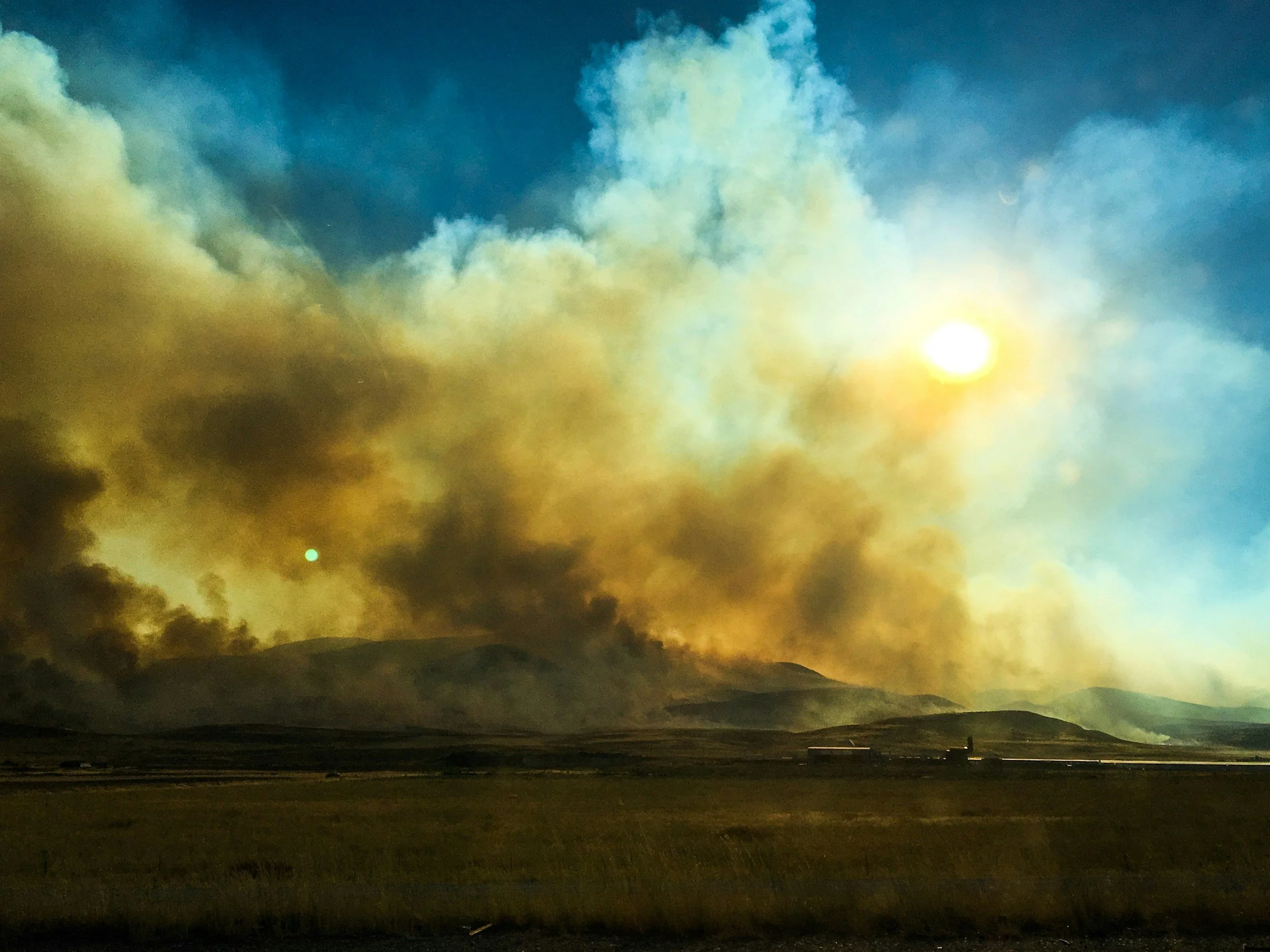
The long history of wildfire response is grounded in the idea that small, short duration fires are achievable and present less risk to fire fighters, the public and other values on the landscape. The current wildfire narratives are focused on fire as a threat, when in fact, wildfire is complex, with many agencies, stakeholders, and cultural perspectives, as well as ecological affects.
As a result, communities are being forced to think differently about wildland fire and recognize wildland fire perspectives and framing differ across communities, practitioners, Non-Governmental Organizations (NGOs), incident management teams, and land managers.
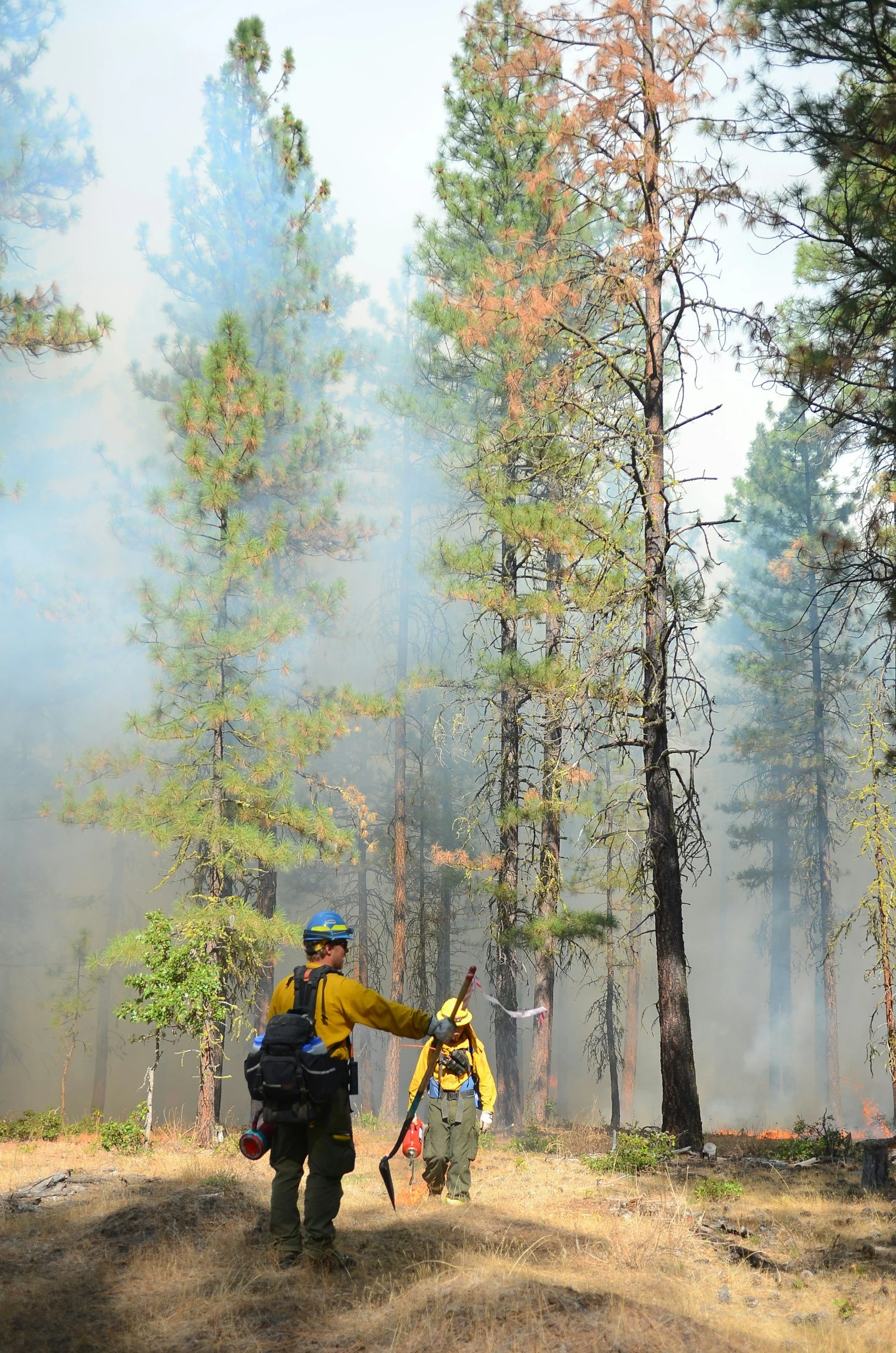
Wildfirecast provides practitioners with resources to guide more constructive conversations, shared decision making between stakeholders and decision makers ultimately, expanding opportunities for the future.
Interested in CommA?
CommA meets bi-weekly on Teams at 1pm Mountain Time.
Contact wildlandfirecast@gmail.com
Wildfire Futures Collective
Wildland fire isn’t a problem to solve. It’s an enduring feature of our planet. Yet our systems,
The Wildfire Futures Collective (WCF) is an innovative new effort that seeks to shift the failing paradigm around wildland fire by bringing new participants into the conversation, the decision-making, the development of solutions and implementation of them. WFC addresses the incomplete strategy of solving our nation’s wildland fire problem by increasing community resiliency through direct engagement of atypical stakeholders in solutions and the implementation of them that boost a community’s readiness to receive, respond to and recover from wildland fire.
Urgent demand exists for innovative, cross-sector, community engagement with representation outside the usual fire networks and systems. While always-improving fire response and increasingly effective land management practices contribute significantly to our collective ability to live with wildland fire, we have not adequately addressed the third, and perhaps most important, leg of success – the community resiliency component.
There is a glaring omission of community participation in addressing the negative impacts of wildland fire on business and industry, water, Tribal culture, employment, education, healthcare, transportation and many other critical sectors in society. Creating widespread community resilience is the piece of the strategy that is conspicuously missing across the nation.